Architecting for the Quantum Era
The AI-native North Star architecture prepares SAP for quantum computing, where superposition and entanglement enable major acceleration in optimization, simulation, and probabilistic inference. Although Noisy Intermediate-Scale Quantum (NISQ) devices remain limited by noise and weak error correction, preparing now helps ensure that SAP can adopt quantum capabilities once enterprise-grade hardware matures.
How the AI-native North Star architecture integrates Quantum Computing
Quantum computing extends classical and AI-native systems by adding probabilistic depth for specialized problem classes. AI contributes cognitive reasoning, while quantum systems contribute amplitude-based computation, creating a continuum of intelligent and probabilistic processing that shapes the next phase of enterprise architecture.
Architectural principles for quantum integration include:
- Quantum processing unit (QPU): QPUs operate as mathematical coprocessors that applications invoke for complex optimization or simulation tasks and return classical outputs that flow back into deterministic workflows.
- Cloud-native integration: QPUs are accessed as secure cloud services through standardized APIs that abstract vendor differences and support scalable and interoperable consumption.
- Scope for analytical and compute-only use: Quantum execution stays within planning, forecasting, and optimization because the no-cloning theorem prevents reliable replication of quantum states needed for transactional operations.
The path forward: A quantum-ready enterprise
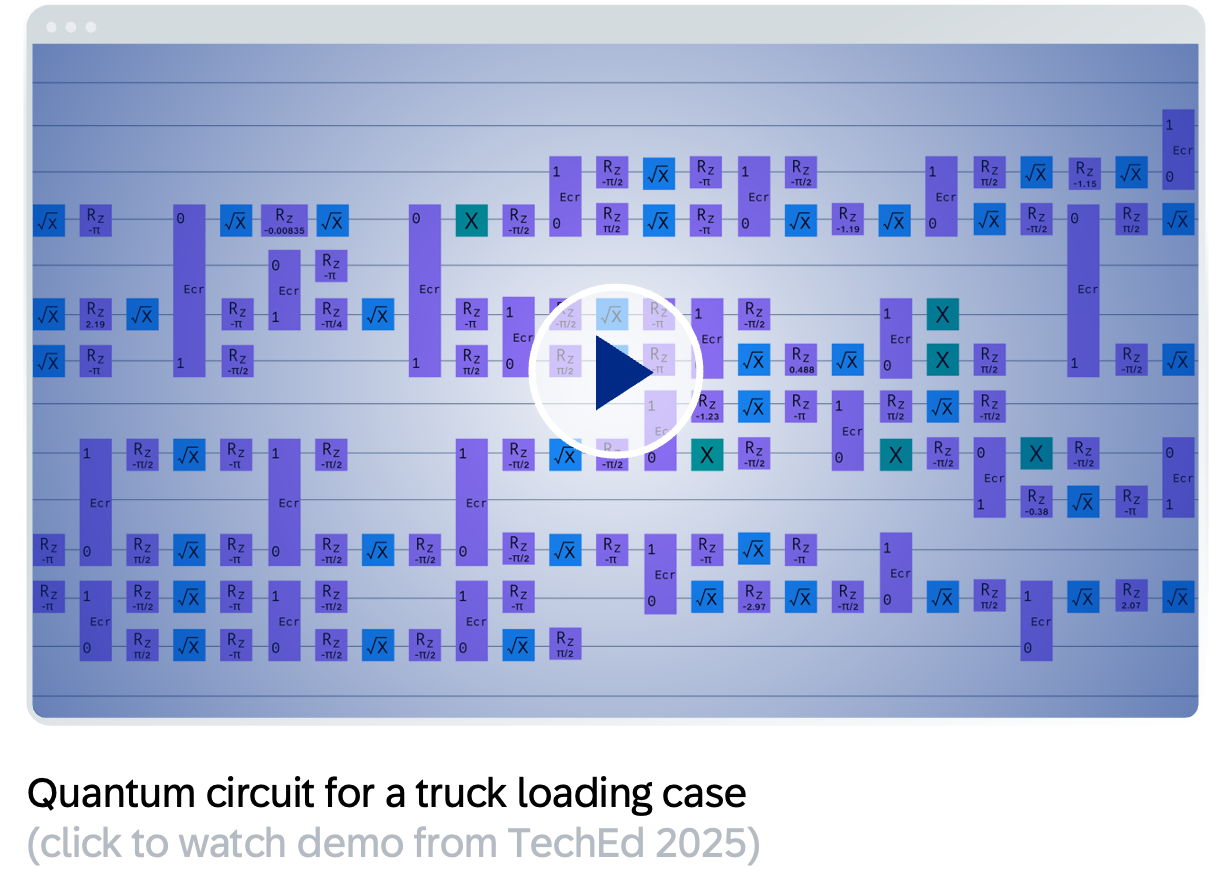
By applying these principles, the AI-native North Star architecture establishes a hybrid model where classical determinism, AI-enhanced cognition, and quantum probability work together within a trusted enterprise foundation. This approach supports postquantum cryptography and prepares SAP for a secure and governed quantum-enabled future.